
From Waste to Energy: Elixir Group Presents the Eco Energy Waste-to-Energy Plant in Prahovo at SEE ENERGY 2026
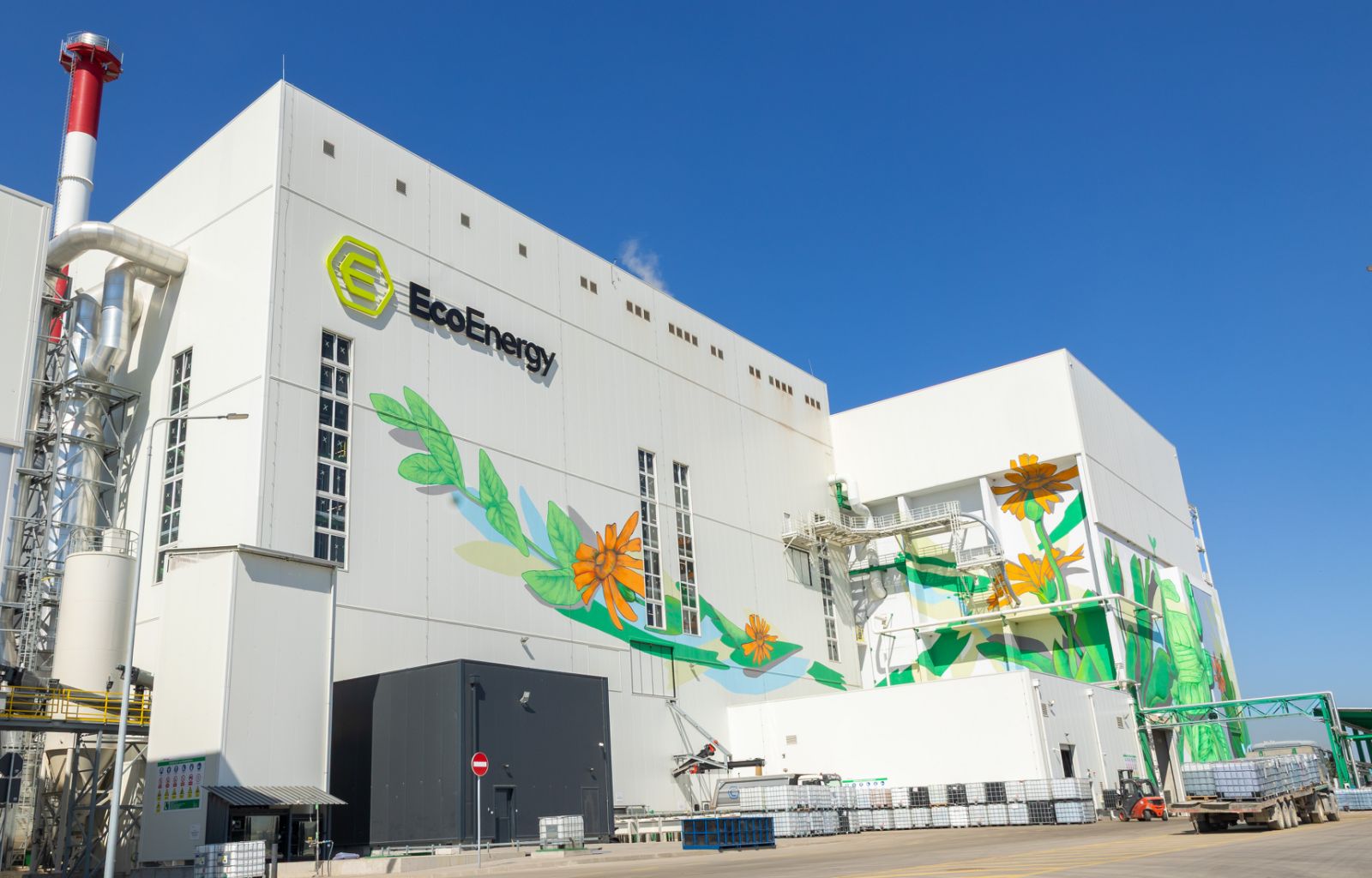
From Waste to Energy: Elixir Group Presents the Eco Energy Waste-to-Energy Plant in Prahovo at SEE ENERGY 2026
One of Elixir Group’s most significant new projects, the Eco Energy waste-to-energy plant in Prahovo, has begun operations. Designed to produce 35 tonnes of low-pressure steam per hour, with a total boiler thermal capacity of 30 MW, the plant will be one of the practical industrial projects featured at SEE ENERGY 2026 on 4–5 November in Novi Sad.
How can energy-intensive industries reduce their dependence on fossil fuels, improve energy security and recover value from waste that can no longer be recycled? One practical answer comes from Elixir Group, which has commissioned the Eco Energy waste-to-energy plant as part of a broader energy transformation of its industrial complex.
As a partner of SEE ENERGY 2026, Elixir Group brings together industrial energy, waste management, the circular economy and production decarbonisation through this project.
100,000 tonnes of waste per year – 30 MW of thermal capacity
The Eco Energy plant is designed for the thermal treatment and energy recovery of up to 100,000 tonnes of non-recyclable waste annually, with a thermal capacity of 30 MW.
The heat recovered from waste is used to produce 35 tonnes of low-pressure steam per hour, intended for direct use in production processes at the Elixir Prahovo industrial complex. In this way, energy recovered from waste becomes part of the factory’s internal energy system, replacing a portion of the energy generated from fossil fuels.
The plant uses fluidised-bed waste treatment technology. According to Elixir Group, the technological solution complies with European requirements and best available techniques for the thermal treatment of waste and energy recovery.
Eco Energy as part of industrial decarbonisation
The project’s significance extends beyond waste management. For Elixir Group, Eco Energy forms part of a broader strategy focused on energy security, diversification of energy sources, more efficient resource use and a lower carbon footprint for production.
According to company data, using energy recovered from non-recyclable waste is expected to reduce fossil fuel consumption and has the potential to deliver a further 26% reduction in the carbon footprint per tonne of phosphoric acid produced.
At the same time, the project applies circular economy principles: waste that can no longer be reused or recycled gains new value through energy recovery and the generation of energy for industrial use, rather than being sent to landfill.
Operational experience from the plant
The Eco Energy waste-to-energy plant is part of a major investment programme to develop the Prahovo site and modernise Elixir Group’s industrial complex.
Its operation provides a basis for sharing practical experience in applying waste-to-energy technology in industry, from integration with existing production processes to its contribution to energy security and reduced fossil fuel use.
These experiences are particularly relevant to energy-intensive industries considering alternative energy sources and approaches to production decarbonisation.
Industrial practice in focus at SEE ENERGY 2026
How does waste become an energy source? How much can waste-to-energy contribute to reducing dependence on fossil fuels? And what does such a solution look like when integrated directly into a production process?
These questions will be explored through the practical example from Prahovo at SEE ENERGY 2026, taking place on 4–5 November at the Čeličana Cultural Station, Distrikt, Novi Sad.
Elixir Group’s participation brings one of the central themes of this year’s SEE ENERGY programme into focus: a concrete industrial project and experience gained through its implementation, providing a basis for discussing how industrial companies can connect energy security, more efficient resource use and decarbonisation goals.
Find out more at SEE ENERGY 2026
4–5 November 2026 | Čeličana, Distrikt, Novi Sad, Serbia
Regional Conference & Expo for Energy Technologies





Latest news
- From Waste to Energy: Elixir Group Presents the Eco Energy Waste-to-Energy Plant in Prahovo at SEE ENERGY 2026
- H-Bridges at SEE ENERGY 2026: Young Engineers Showcase Energy Innovations
- One Million Tonnes of Waste Converted into Energy in Vinča
- Sungrow at SEE ENERGY 2026: How Battery Storage and Solar Energy Are Transforming the Future of Industry
- LG Electronics at SEE ENERGY 2026: Can Waste Heat Become a New Energy Source for Cities?
- SEE ENERGY 2026 at Čeličana: Energy Conference in Novi Sad
- INNIO Jenbacher at SEE ENERGY 2026: Energy for Industry
- H2 Conference 2026: Green Hydrogen as a Roadmap for Energy Transition
- Innovative Biomass Heating Solutions for a Sustainable Energy Future - HARGASSNER Serbia
- Resalta – Driving the Energy Transition Toward Renewable Heat in Industry and District Heating
Contact
National Biomass Association SERBIO
Vladike Ćirića 2, 21 000, Novi Sad, Serbia
Phone: +381 62 179 0383
e-mail: This email address is being protected from spambots. You need JavaScript enabled to view it.

BioRES Project - Sustainable Regional Supply Chains for Woody Bioenergy has received funding from the European Union's Horizon 2020 research innovation programmer under grand agreement No 645994
The establishment of the National Biomass Association SERBIO was supported by:
