



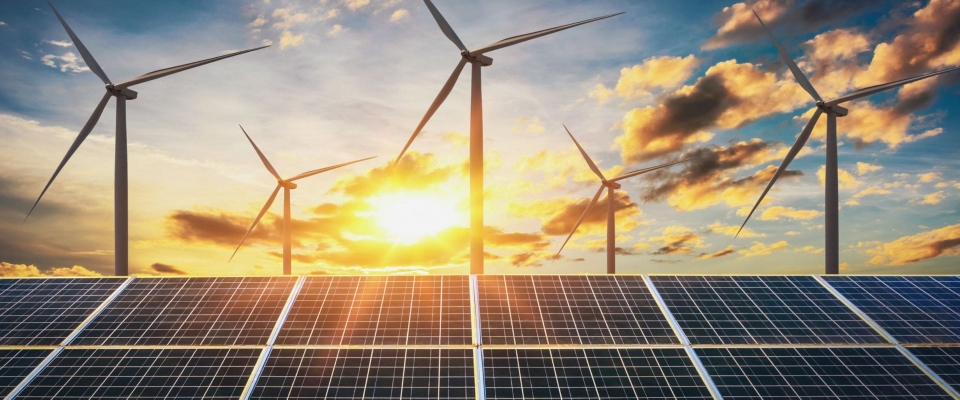



How can a solar power plant, battery energy storage system and distribution grid be connected into a single, safe and economically efficient system? Schneider Electric, a global technology leader in the energy sector, will participate in SEE ENERGY 2026, taking place on 4–5 November in Novi Sad.
As part of the panel “CONTROL THE HYBRID POWER PLANT – SOLAR + BESS + GRID”, the company will contribute to the discussion on integrated energy resource management, technical grid requirements and new opportunities for industrial consumers.
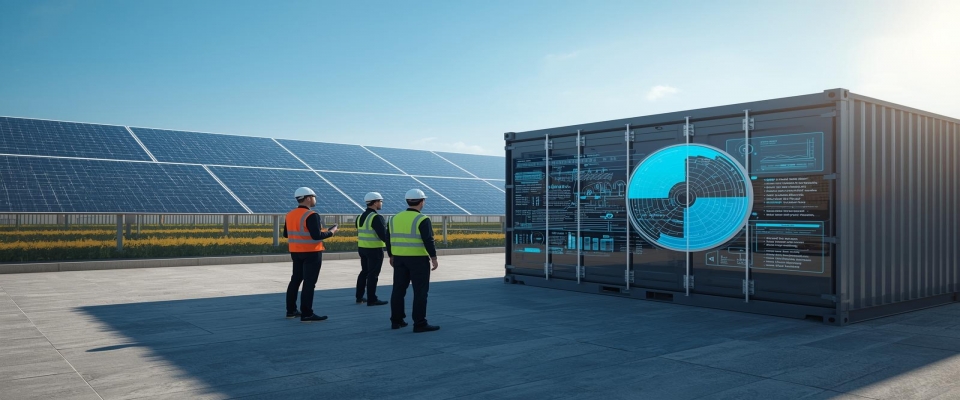
Building a solar power plant for an industrial facility is no longer simply a matter of selecting photovoltaic panels, inverters and available roof or land area. With growing interest in battery energy storage, self-generation and active participation in the electricity market, industrial energy systems are becoming increasingly complex.
A factory that produces part of its own electricity, stores surplus energy and simultaneously draws electricity from the distribution grid must manage several interconnected processes.
When is it most economical to use self-generated electricity? When should the battery be charged, and when should stored energy be used? How can electricity export to the grid be limited, peak demand controlled and supply stability maintained when production demand changes suddenly?
The answers to these questions increasingly depend on digital technologies, automation and advanced energy management systems. This is precisely the area in which Schneider Electric develops solutions that connect electrical infrastructure, distributed energy resources, battery storage systems, monitoring and control systems, and software platforms for optimizing energy flows.
Schneider Electric: When Solar, BESS and the Grid Become One System
Schneider Electric is a global technology leader in the energy sector, with a portfolio that includes smart devices, automation, digital platforms, software-defined systems and technologies based on artificial intelligence.
The company operates in more than 100 countries, with approximately 160,000 employees and a network of around one million partners, providing solutions for industry, infrastructure, commercial buildings, data centres and power grids.
One of the key areas of its development is microgrids and the integrated management of distributed energy resources.
Through its EcoStruxure platform, Schneider Electric develops solutions for the design, monitoring, control and optimization of microgrids and distributed energy resources.
These solutions use advanced analytics, automation and predictive algorithms to optimize energy generation, storage and consumption, while coordinating different energy resources within a single system.
Combined with electrical equipment, protection devices and automation systems, these technologies make it possible for generation, consumption and energy storage to function not as separate elements, but as a coordinated and intelligently managed energy system.
For industrial users, this creates opportunities to use self-generated energy more efficiently, improve cost control and increase power supply reliability.
How Much Can Integrated Energy Management Affect System Economics?
In a study presented by Schneider Electric in August 2026, 65 microgrid application scenarios across 13 regions and five types of commercial buildings were analysed.
The study considered combinations of rooftop photovoltaic systems and stationary battery storage, supported by a controller optimized to reduce electricity costs.
The modelling results showed favourable economics for these systems in a significant number of analysed cases, with the best-performing scenarios forecasting a return on investment in less than ten years.
At the same time, the research emphasized that economic performance depends on local tariffs, consumption profiles, available solar resources and system design.
Another important effect was highlighted: a properly controlled combination of solar generation and battery storage can reduce peak electricity demand from the grid and contribute to more efficient use of existing distribution infrastructure.
For industry, the message is clear: the profitability of an energy project depends not only on the installed capacity of the solar power plant or the size of the battery, but also on how the entire system is managed.
DSO Requirements: Technical Integration Becomes a Key Part of the Investment
The development of hybrid energy systems in Serbia also raises questions about their connection to the distribution grid.
In September 2026, during the RES Serbia conference, energy sector representatives highlighted existing regulatory and technical constraints related to battery energy storage systems.
According to information presented at the time by representatives of Elektrodistribucija Srbije, the regulatory framework for stand-alone battery storage had not yet been fully developed, while most market interest was focused on combining solar power plants with batteries.
It was also emphasized that the procedure for adding a battery storage system depends on whether such a system was included in the original grid connection documentation.
These issues demonstrate the importance of considering the technical concept of an energy facility from the earliest stage of the investment process.
For hybrid systems, it is not enough simply to install appropriate generation and storage equipment.
A control system must also be designed to monitor and manage energy flows, comply with technical connection limits and respond to the requirements of the distribution system operator.
Power Plant Controllers (PPC), Energy Management Systems (EMS), SCADA systems, protection and metering equipment, as well as communication between individual plant components, all play an important role.
Their proper integration enables active and reactive power control, system monitoring, constraint management and coordinated operation of generation and storage assets.
The relationship between grid requirements and the capabilities of modern control technologies will therefore be one of the central topics of discussion at SEE ENERGY 2026.
From Reactive to Predictive Energy Management
Modern energy systems are increasingly moving from predefined operating rules toward predictive energy management.
A traditional approach may use a simple logic: the battery charges when there is excess solar generation and discharges during periods of higher demand.
In practice, however, industrial systems often require much more complex decisions.
Changes in production shifts, variable consumption, weather conditions, electricity market prices and grid connection constraints can significantly affect the optimal operating regime.
In its solutions, Schneider Electric develops an approach in which software uses consumption, generation and other relevant data to plan the operation of energy resources in advance.
This can allow the battery to be prepared for an expected peak load, enable self-generated solar electricity to be used at a more economically advantageous time, or reduce unnecessary electricity imports from the grid.
With the appropriate technical configuration and regulatory framework, advanced energy management systems can also contribute to greater flexibility for industrial consumers.
For factories considering investments in their own energy capacities, this means that technology decisions should be linked to an analysis of the consumption profile, business model and long-term energy objectives.
The Active Customer: A New Role for Industry in the Power System
Industrial companies have traditionally been viewed primarily as electricity consumers.
With the development of self-generation, battery storage and digital energy management systems, their role is changing.
An industrial facility can simultaneously act as a consumer, producer and owner of energy storage, while appropriate market and regulatory conditions may enable it to manage its relationship with the electricity system more actively.
This transformation creates opportunities for greater energy flexibility, but it also requires high-quality engineering, reliable automation and a clear understanding of market rules.
A particular challenge is aligning a company’s energy objectives with the requirements of its production process.
For industry, production continuity remains the priority.
Energy management systems must therefore enable energy optimization without compromising operational safety, power quality or reliability.
Schneider Electric sees the integration of electrification, automation and digitalization as a way for industrial facilities and energy infrastructure to operate as open, connected and intelligently managed systems.
SEE ENERGY 2026: How Do You Control a Hybrid Power Plant Under Real Operating Conditions?
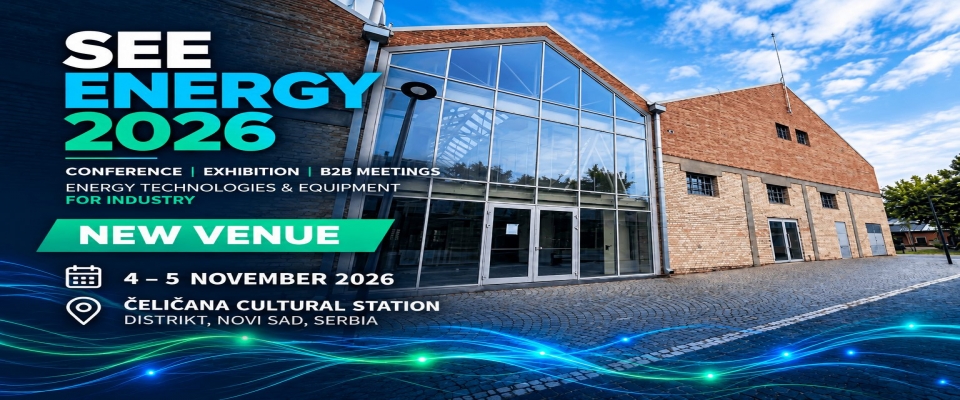
These issues will be discussed at the international conference and energy technology exhibition SEE ENERGY 2026 – ENERGY FOR INDUSTRY, taking place on 4–5 November at Kulturna stanica Čeličana in Novi Sad’s District.
Schneider Electric will participate in the panel:
CONTROL THE HYBRID POWER PLANT – SOLAR + BESS + GRID
PV • BESS • PPC • Grid Integration • Optimal Sizing • Control • Safety
The discussion will focus on the practical challenges of integrating photovoltaic power plants, battery energy storage systems, control systems and the distribution grid.
Key questions of particular importance to investors, developers, EPC companies and industrial consumers will include:
-
How can a hybrid system be designed to meet both the user’s needs and the technical requirements of the grid?
-
What is the role of PPC, EMS and SCADA systems in managing solar generation and battery storage?
-
How should the optimal battery size be determined in relation to the solar power plant and the consumption profile?
-
How can energy flows at the grid connection point be controlled?
-
How can reliability, safety and coordinated operation of all plant components be ensured?
-
Which technical and regulatory barriers currently have the greatest impact on the development of hybrid projects in Serbia?
Schneider Electric’s participation in this discussion brings the perspective of a company developing technologies that integrate electrical infrastructure, automation and digital energy management systems.
Energy for Industry: From Individual Technologies to Integrated Solutions
The seventh edition of the SEE ENERGY conference, organized by the National Biomass Association SERBIO, brings together industrial companies, investors, developers, equipment manufacturers, engineering companies, system operators and financial institutions.
This year’s ENERGY FOR INDUSTRY focus raises the question of how industry can secure more affordable, reliable and cleaner energy in the coming years, supported by sustainable financing models.
The programme covers self-generation of electricity and heat, cogeneration, large heat pumps, waste heat utilization, waste-to-energy solutions, smart energy management, solar and battery systems, active customers and energy investment financing.
In addition to the conference programme, participants will have access to an exhibition of energy technologies and organized B2B meetings designed to connect industrial needs with concrete technological and investment solutions.
The future of industrial energy will not depend only on how much energy we can generate and store, but also on how intelligently we can manage it.
That is why the management of hybrid energy systems will be one of the key topics at SEE ENERGY 2026.
SEE ENERGY 2026 – ENERGY FOR INDUSTRY
4–5 November 2026
Kulturna stanica Čeličana, District, Novi Sad
International Conference | Energy Technology Exhibition | B2B Meetings
Information and registration: events-serbio.rs